

Introduction: How to wash a Binder by hand?
For many transgender, non-binary, and LGBTQ+ individuals, a binder is more than just clothing: it's an essential tool that helps align outward appearance with felt gender identity, thereby contributing to increased self-confidence and psychological well-being. However, like any specialized garment, a binder requires proper care to maintain its effectiveness and durability. Hand washing, in particular, plays a crucial role in preserving the quality of the fabric and the binder's structure.
In this article, we'll explore why hand washing is best for binders, how to properly prepare your binder for washing, and provide you with a detailed step-by-step guide to the washing process. We'll also discuss best practices for drying and post-wash care, as well as additional tips to ensure your binder stays in good condition for as long as possible. By following these recommendations, you will not only be able to extend the life of your binder but also ensure that it continues to provide you with the support you need on a daily basis.
At Transboutique, we understand the importance of these accessories to our community and are committed to providing practical and reliable information to help you care for your equipment with love and attention. Whether you're an experienced binder user or considering purchasing one for the first time, this article is designed to guide you in the optimal care of this vital item in your wardrobe.
I. Why Wash your Binder by Hand?
Washing a binder by hand is crucial to maintaining its quality and functionality. This gentle cleaning method has several significant advantages over using a washing machine, which can often be too abrasive for binders' delicate materials.
Preservation of Material
Binders are generally made from special materials that provide the necessary compression while remaining flexible enough to allow some ease of movement. These fabrics, often synthetic, can degrade under the effect of heat and intense agitation of a washing machine. Hand washing with lukewarm water and a mild detergent helps preserve the elastic fibers, ensuring the binder retains its shape and elasticity over the long term.
Increased Control
Washing by hand allows you to precisely control the force with which the binder is treated. This is especially important for areas of the garment that may be more susceptible to wear, such as edges and seams. By washing gently and focusing attention on areas that need it without excessive rubbing, you can avoid damage to the fabric.
Cleaning Effectiveness
Hand washing also offers the benefit of specifically targeting stains and odors without exposing the entire garment to harsh treatment. This is particularly useful for binders, which can accumulate sweat residue and other types of dirt in specific areas. Targeted cleaning ensures that these issues are addressed effectively without compromising the overall structure of the binder.
Improved Longevity
By avoiding machine wash cycles, which can quickly wear out materials and damage accessories like zippers or hooks, hand washing helps extend the life of your binder. This means less replacement frequency and, in the long term, better profitability.
Conclusion
Opting to hand wash your binder is not just a recommendation for its maintenance; it is a necessity to ensure its longevity and performance. By taking the time to wash your binder properly, you are investing in your daily comfort and the durability of this crucial item in your wardrobe. At Transboutique, we encourage all of our customers to adopt these practices to maintain the quality of their products and support their personal journey with confidence.

II. Preparing for Washing
Before you begin the process of washing your binder by hand, proper preparation is essential to ensure the cleaning is both effective and gentle. Following these preparatory steps can help you avoid damage to the binder and optimize the cleaning process.
Detergent Selection
Detergent Selection : Use a mild detergent specifically designed for delicate fabrics. Harsh detergents can damage the elastic fibers and the color of the binder. If possible, choose a fragrance-free product to reduce the risk of skin irritation.
Reaction Test : Before washing the entire binder, apply a small amount of detergent to a small, hidden section to test its reaction. This allows you to check for any undesirable effects such as discoloration or fabric degradation.
Preparing the Washing Space
Cleaning the Area : Ensure that the sink or basin you are using is clean and free of chemical residue or dirt that could contaminate the binder. A clean washing area is crucial to prevent the introduction of new impurities.
Water Temperature : Fill your sink or basin with lukewarm water. Hot water can damage elastic fibers, while cold water is not as effective at removing body oils or stains.
Preparing the Binder
Preliminary Inspection : Examine your binder for any visible stains, particularly dirty areas, or signs of wear and tear. This will allow you to focus your cleaning efforts on the areas that need it most.
Emptying Pockets : Ensure that all pockets are empty and all removable accessories are removed to avoid damaging them during washing.
Conclusion
Careful preparation before washing your binder is a key step to ensure safe and effective cleaning. By choosing the right products, properly preparing your laundry area, and inspecting your binder before you begin, you can avoid common problems such as fading, stretching, or deterioration of the fabric. These simple precautions can make a big difference in the durability and effectiveness of your binder, allowing you to continue using it with confidence. At Transboutique, we are dedicated to providing useful tips to help our community take care of their precious accessories.
III. The Hand Washing Process
Hand washing your binder is a delicate step that requires attention and care to avoid damaging the fabric while ensuring effective cleaning. Here is a step-by-step guide to washing your binder safely and effectively.
Soaking
Immersion : Completely submerge your binder in the prepared lukewarm water. Make sure the entire fabric is wet.
Soaking : Let the binder soak in water and mild detergent for about 5 to 10 minutes. This process helps loosen dirt, body oils, and odors without harsh rubbing.
Cleaning
Detergent Application : After soaking, if necessary, apply a small amount of detergent directly to particularly dirty or stained areas.
Gentle Washing : Wash the binder by gently rubbing it with your hands. Avoid twisting or stretching the fabric. Focus on areas that need a more thorough cleaning, using gentle, circular motions to loosen dirt and residue.
Rinsing
Initial Rinse : Rinse the binder with warm water to remove soap and debris. Change the water if necessary to ensure all traces of detergent are removed.
Final Rinse : Continue rinsing until the water runs clear and all detergent has been removed. This may require several water changes.
Verification
- Inspection: After rinsing, inspect the binder to make sure it is clean and no soap residue remains. Residue may irritate skin or damage fabric when it dries.
Conclusion
The hand washing process, although it may seem time-consuming, is crucial to maintaining the integrity of your binder and ensuring that it continues to function as intended. Taking the time to properly wash your binder not only extends its life but also contributes to a better daily wearing experience. By following these steps, you maximize the chances of preserving the quality of your binder, ensuring that it remains a reliable and comfortable support in your gender expression. At Transboutique, we value quality and care given to each product, and we hope these tips will help you keep your binders in excellent condition.

IV. Drying and Post-Wash Care
After carefully hand washing your binder, it is essential to pay close attention to the drying and care steps to ensure that the garment maintains its shape, elasticity, and functionality. Here's how to properly dry and care for your binder after washing.
Drying
Gently Squeeze Out the Water : After rinsing, avoid wringing the binder to remove excess water, as this can damage the fabric. Instead, gently squeeze out the water by placing the binder between two clean towels and pressing to absorb the moisture.
Air Drying : Lay your binder flat on a dry surface or hang it on a hanger to air dry. Choose a well-ventilated area away from direct sunlight and direct heat sources, such as radiators, which can shrink or distort the fabric.
Post-Wash Maintenance
Reshape the binder : While the binder is still damp, gently reshape it to ensure it retains its original form. This is especially important for areas like the straps and edges, which can become distorted during washing.
Inspection and Repairs : Once the binder is dry, inspect it for any damage or wear that may have been aggravated by washing. If necessary, make minor repairs or consult a professional to maintain the binder's structural integrity.
Rotating your binders : If you use a binder regularly, it's advisable to have several in your wardrobe. This allows you to rotate them and wash them less frequently, which can greatly extend their lifespan.
Tips for Regular Maintenance
Periodic Checks : Even between washes, regularly check the condition of your binder for signs of wear, such as loose seams or areas becoming too thin. Early intervention can prevent more serious damage.
Proper Storage : When not in use, store your binder in a cool, dry place to prevent mold and other damage. Avoid excessive folding, which could cause permanent creases.
Conclusion
Drying and post-wash care are crucial to maintaining the functionality and appearance of your binder. By taking care to dry your binder properly and carrying out regular maintenance, you not only ensure greater longevity of the product but also consistent performance, allowing you to feel comfortable and supported in your daily identity. At Transboutique, we are committed to providing practical advice to help you care for your precious clothes, so you can continue to wear them with confidence and comfort.
V. Additional Tips for Maintaining the Binder
To maximize the life of your binder and ensure it continues to provide optimal support, it is crucial to follow some additional maintenance practices. These tips will help you keep your binder in tip-top condition and prevent common problems associated with frequent use.
Washing Frequency
Moderate Washing : While it's important to keep your binder clean, excessive washing can accelerate fabric wear. Wash your binder only when necessary, usually after several uses, unless it's visibly soiled or smelly after heavy use.
Rotating Binders : If possible, owning several binders allows you to rotate them, reducing the frequency of washing each piece and thus extending their lifespan. This also gives each binder a chance to regain its shape between uses.
Odor Management
Ventilation : After each use, allow your binder to air out to help dissipate sweat odors. This can be as simple as hanging it in a well-ventilated area before storing it.
Natural Products : For extra freshness, you can occasionally use baking soda or natural fabric deodorizing sprays. These products can help neutralize odors without damaging the fibers.
Regular Inspection and Repairs
Wear Monitoring : Regularly inspect your binder for any signs of wear, such as loose threads, tears, or areas becoming too thin. Early detection of these problems allows you to make repairs before they worsen.
Minor Repairs : Learn some basic sewing techniques to repair small flaws in your binder. Timely repairs can significantly extend the garment's lifespan.
Proper Storage
- Storage conditions: Store your binder in a dry, cool place to avoid damage from moisture or excessive heat. Avoid storing it compressed or folded in a way that creates permanent creases.
Drying Tips
- Natural Drying: Always dry your binder in the open air rather than in the dryer. Machine drying can be too aggressive and alter the elasticity and shape of the binder.
Conclusion
Regular maintenance of your binder is essential for its longevity and effectiveness. By following these additional tips, you can not only extend the life of your binder but also ensure that it continues to provide you with the support you need. At Transboutique, we are dedicated to helping you take care of your essential gear, so you can feel comfortable and confident every day.
Conclusion
Properly maintaining your binder is not only essential to prolong its lifespan, but also to ensure that it continues to provide the support and comfort needed on a daily basis. By following the detailed hand washing, drying, and regular maintenance tips we've shared, you can help preserve the quality and effectiveness of your binder.
We've explored why hand washing is best, the steps to follow for effective cleaning, as well as drying methods that protect the integrity of the fabric. Additionally, we have provided additional tips for daily maintenance, odor management, and proper storage of your binder. Each step is crucial to ensure that your binder remains in excellent condition and continues to support you on your personal journey.
At Transboutique, we understand the importance of each element of your wardrobe in expressing your identity. That's why we're committed to providing resources that support not only the use of these products, but also their maintenance. By taking care of your binder, you are taking care of yourself, ensuring you have the comfort and confidence to face each day.
We encourage you to stay committed to the care of your accessories and not hesitate to contact us for additional advice or to share your own maintenance tips with the community. Your well-being is our priority, and we are here to support you every step of your journey.
Our products:
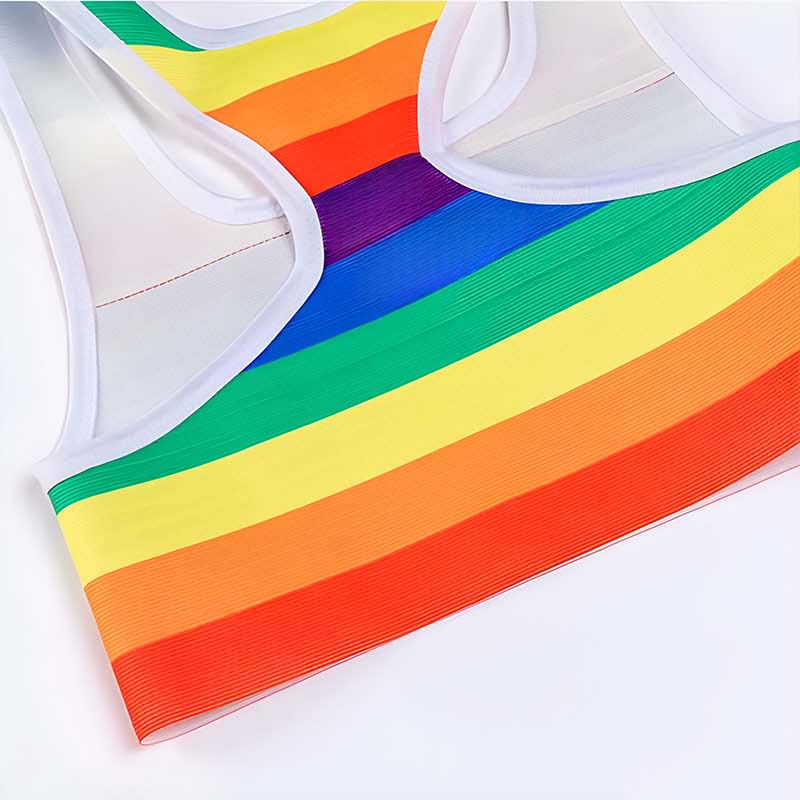
An overview of our products available on our shop



Receive 15% off your first order
Sign up for the Trans-Boutique newsletter and receive your welcome code , our new products and exclusive offers first.
100% free · Unsubscribe in 1 click · No spam